Transform Photos with Smoke Backdrops for Photoshop
Every photographer, designer, and content creator eventually hits a wall where the subject is perfect, but the background feels flat or uninspired. You might have the lighting dialed in and the composition locked, but the environment lacks the drama necessary to make the image truly pop. This is where the power of post-processing comes into play, specifically through the use of specialized Photoshop Backgrounds Smoke Backdrops. These assets are not just filters; they are high-resolution, textured environments designed to add depth, mood, and a professional finish to your digital artwork.
Visual Style and Artistic Appeal
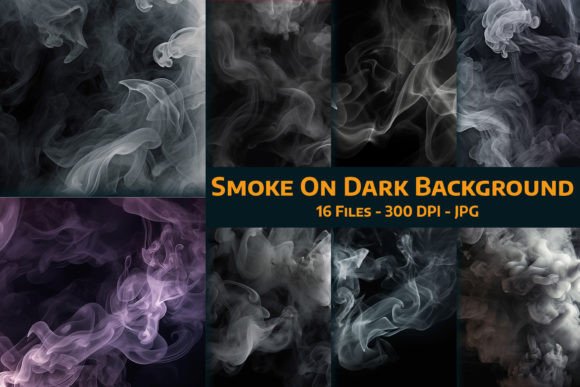
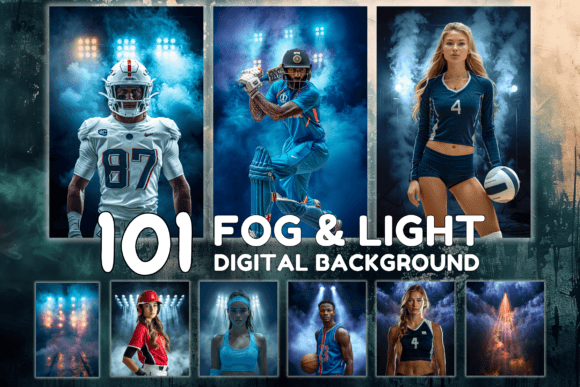
Smoke has a unique quality in photography and design. It is fluid, organic, and capable of adding a sense of mystery or ethereal beauty to a composition. The specific collection we are looking at offers 101 distinct spotlight digital backdrops. The visual personality of these assets lies in their ability to create atmosphere. Unlike a solid color fill, smoke interacts with light. These backdrops feature varying densities of haze, swirls, and wisps that catch light, creating natural gradients and soft shadows.
The appeal of using Photoshop Backgrounds Smoke Backdrops is rooted in their versatility. They can be moody and dark for a cinematic portrait, or light and airy for a dreamy fashion shoot. Because they are provided in high resolution—specifically 4000x4839 pixels and 4000x6000 pixels at 300dpi—they retain their texture even when used in large-format printing or high-definition screens. The "spotlight" aspect implies a directed light source within the backdrop, which helps in grounding your subject, ensuring they don't look like they are floating in a void.
Practical Applications for Designers and Creators
While these are technically design assets for Adobe Photoshop, their utility spans far beyond simple photo manipulation. Understanding where these backdrops fit into your workflow is key to maximizing their value.
- Portrait and Fashion Photography: This is the most direct application. If you are a photographer doing studio work, adding a smoke backdrop can instantly elevate a standard headshot into a piece of editorial design or fine art. It adds texture that a paper seamless background cannot replicate.
- Social Media Graphics: In the crowded space of social media, stopping the scroll is essential. Marketers and content creators can use these backdrops behind text overlays or product shots to create a sense of depth and urgency. They work exceptionally well for announcements, event promotions, or "coming soon" teasers.
- Web Design and UI: For web design, these textures can be used in hero sections to create a dynamic, immersive landing page. When used correctly, they can guide the user's eye toward a call-to-action button, especially if the smoke is lighter in the center and darker at the edges (vignetting).
- Digital Product Mockups: If you are selling digital products, such as courses or templates, placing your device mockups (laptops, tablets) within a smoky environment can make the screen content appear more vibrant by contrast.
- Poster and Packaging Design: For packaging design or event posters, smoke textures can provide a sophisticated background layer. They are particularly effective for music events, luxury branding, or Halloween-themed designs.
Integrating Backdrops into Your Workflow
Simply having the files isn't enough; you need to know how to implement them effectively. The product includes JPG files in two specific aspect ratios: 3:4 (4000x4839) and 2:3 (4000x6000). This is a practical consideration that saves you time. The 2:3 ratio is standard for many DSLR cameras and vertical posters, while the 3:4 ratio fits well with standard portrait orientations and some digital displays.
Technical Requirements and Usage
You will need a basic knowledge of layering in Adobe Photoshop or similar editing software like Affinity Photo. The process generally involves placing the smoke backdrop layer above your subject's background but below the subject layer. However, the real magic happens when you experiment with Blending Modes.
- Screen Mode: This is often the go-to mode for smoke. It removes the black background of the smoke file, leaving only the white and grey wisps. This is perfect for adding a light haze.
- Soft Light or Overlay: Using these modes can add a subtle tint and contrast to your image, blending the smoke more naturally with the underlying colors.
- Opacity Control: Rarely do you want the smoke at 100% opacity. Lowering the opacity allows the texture to support the subject rather than overwhelming it. This is crucial for maintaining visual hierarchy.
Maintaining Professionalism and Brand Identity
When selecting assets for your brand identity, consistency is everything. If you are a small business owner or a hobbyist looking to establish a signature style, these backdrops can become a recurring motif in your visual language. Using a specific style of smoke—perhaps one that is blue-tinted or particularly dense—can become as recognizable as a serif font or a specific color palette.
It is important to treat these backdrops as you would a premium font. Just as you wouldn't use a script font for a heavy block of text, you shouldn't use a chaotic smoke backdrop for a calm, corporate headshot. The "personality" of the smoke must match the personality of the message. For high-energy brands, look for dynamic swirls. For luxury or calm brands, look for soft, drifting wisps.
Evaluating Fit and Quality
When you download a set of Photoshop Backgrounds Smoke Backdrops, take a moment to review the quality before diving into a project. At 300dpi, these files are print-ready, which is a significant advantage over low-resolution web textures that pixelate when printed.
Consider the lighting direction of your original photo. If your subject is lit from the left, placing a spotlight backdrop with light coming from the right might create a visual conflict. While you can dodge and burn to fix this, it is always easier to select a backdrop that matches your existing light source. This attention to detail is what separates amateur edits from professional logo design or marketing materials.
Ultimately, these assets are tools for storytelling. Whether you are a designer crafting a book cover, a marketer building an ad campaign, or a blogger enhancing a photo essay, the ability to manipulate atmosphere is a powerful skill. By incorporating these high-resolution smoke textures, you gain the ability to control the mood of your imagery, ensuring that your visual content communicates the exact tone you intend.