Unleash Vibrant Energy with Rainbow Leopard Pattern Backgrounds
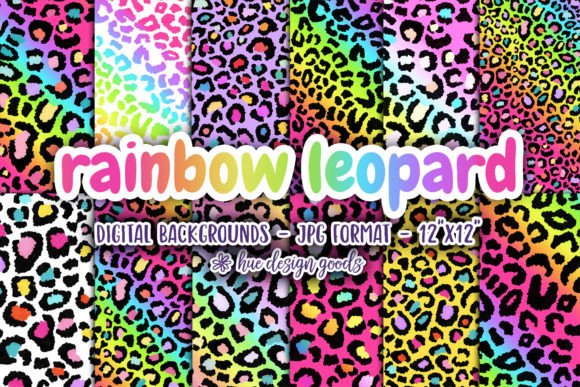
There’s an undeniable energy to leopard print, but when you infuse it with the electric spectrum of the rainbow, it transcends simple animal pattern status. This collection of Rainbow Leopard Pattern Backgrounds is a deliberate nod to the maximalist aesthetics of the 80s and 90s, blending nostalgia with modern digital utility. We aren't looking at realistic animal textures here; we are looking at a celebration of color. Each of the 12 unique designs in this set takes the classic, organic rosettes of a leopard and reimagines them in high-saturation hues—from neon pinks and cyans to electric purples. The result is a digital paper set that feels playful, unapologetically bold, and incredibly versatile for anyone working in creative fields.
The visual personality of these backgrounds is loud, fun, and youthful. Unlike a subtle serif font or a minimalist sans serif font, which might whisper professionalism, these backgrounds shout creativity. They are designed to be the life of the party. The "wild" aspect isn't just about the animal print; it's about the refusal to use muted tones. For designers, this offers a fantastic textural backdrop. Imagine pairing one of these neon rainbow backgrounds with a stark, white display font for a poster, or using a textured leopard print as the backing for a scrapbook page. The high contrast ensures that even the busiest patterns remain legible when used correctly, providing a complex visual depth that flat colors simply cannot achieve.
Strategic Applications for Modern Branding
While the inspiration is retro, the application of Rainbow Leopard Pattern Backgrounds is very much rooted in modern graphic design and digital marketing. For content creators and influencers, these backgrounds are a secret weapon for social media engagement. The human eye is naturally drawn to high-contrast, colorful patterns. Using these as Instagram story backgrounds, podcast cover art, or YouTube video thumbnails can significantly increase click-through rates. The pattern breaks the monotony of the feed, stopping the scroll because it disrupts the visual noise with something that feels tactile and energetic.
For entrepreneurs and small business owners, especially those targeting a younger demographic (think Gen Z and Millennials), these patterns can define a brand identity that feels approachable and energetic. Consider a boutique selling stationery or a tech accessory brand; using a rainbow leopard print on packaging inserts or thank-you cards creates an "unboxing experience" that feels premium yet playful. It signals that the brand doesn't take itself too seriously, which builds trust and relatability. It moves beyond standard typography and into the realm of visual storytelling.
Technical Specifications: Print-Ready Quality
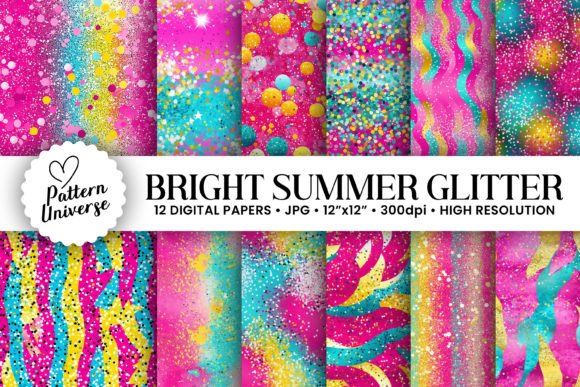
One of the most critical aspects of working with design assets is ensuring they don't fall apart in the final output. We have all experienced the frustration of a pixelated image on a printed banner. This collection addresses that immediately. Every background is sized at 12"x12" (3600x3600 pixels) with a resolution of 300 DPI. This is the industry standard for high-quality print design. Whether you are creating physical stickers, greeting cards, or fabric swatches, the density of pixels ensures the edges of the leopard spots remain crisp and the gradients between rainbow colors remain smooth.
The JPG format is chosen specifically for its balance of quality and file compatibility, ensuring these files open seamlessly across Adobe Photoshop, Illustrator, Canva, Procreate, and Affinity Designer. For crafters and hobbyists, this means you can import these directly into cutting machine software like Cricut Design Space or Silhouette Studio to create custom vinyl decals or iron-on transfers. The file is optimized to be lightweight enough for easy handling but heavy enough to maintain visual integrity—a practical necessity for any professional workflow.
Mastering the Pairing: Fonts and Hierarchy
Working with such a vibrant background requires a strategic approach to visual hierarchy. Because the background is "busy," your typography needs to anchor the design. A common mistake is trying to use a script font or a detailed handwritten font directly over the pattern; the letters often get lost in the noise of the spots. Instead, I recommend using bold, geometric typefaces. A heavy weight sans serif font works beautifully here because the clean lines provide a stark contrast to the organic, chaotic flow of the animal print.
Another effective technique is the "knockout" method. Place a solid shape—perhaps a white circle or a black rectangle—over a section of the Rainbow Leopard Pattern Background and place your text on top of that solid shape. This creates a "safe zone" for your message while allowing the wild pattern to frame the content. This is particularly useful in editorial design and packaging design, where legibility is paramount but aesthetic appeal drives the sale. It allows the pattern to support the message rather than compete with it.
From Digital Screens to Physical Products
The utility of these backgrounds extends far beyond digital use. For those in the print-on-demand market, patterns are a goldmine. A single Rainbow Leopard Pattern Background can be tiled to create seamless wrapping paper, phone cases, or laptop skins. The 80s/90s nostalgia is currently trending heavily in fashion and home decor, making these designs highly marketable. They serve as excellent base layers for creating mockups, allowing you to showcase a logo or a piece of art in a context that feels styled and intentional.
Furthermore, for publishers and bloggers, these assets can be used to break up long-form content. Using a cropped section of the rainbow leopard print as a divider or a sidebar background adds personality to a webpage layout without requiring custom illustration. It injects color into a layout that might otherwise rely heavily on text and stock photography.
Licensing and Practical Considerations
When incorporating these premium design assets into your projects, always keep the end-use in mind. Because these are raster images (JPGs) rather than vector files, they are resolution-dependent. While they are massive at 3600x3600 pixels, avoid scaling them up significantly beyond their native size to prevent quality loss. However, for most web and standard print applications (up to A3 or tabloid size), they will perform flawlessly.
For brand consistency, consider color grading your other elements to match the specific palette of the background you choose. If you select a background heavy in teal and magenta, ensure your button colors or accent graphics pull from those same hex codes. This creates a cohesive ecosystem rather than a disjointed collage. Whether you are designing a flyer for a local event, creating a fun Zoom background for a virtual meeting, or designing a line of tote bags, the Rainbow Leopard Pattern Backgrounds provide a foundation that is both technically sound and visually electric. They are a reminder that design should, occasionally, be simply about having fun with color.