Timber Patina Rough Wood Backgrounds: Unlocking Rustic Digital Charm
When you hold a piece of weathered wood, you can almost feel the history in its grain. That specific texture—the knot holes, the faded paint, the raw grain—is exactly what the Timber Patina Rough Wood Backgrounds collection captures. This isn't just a set of generic wood textures; it is a curated bundle of digital papers designed to bring a tactile, nostalgic, and organic quality to your creative work. For designers, crafters, and brand strategists, these assets bridge the gap between physical texture and digital precision.
Visual Character and The "Found Object" Appeal
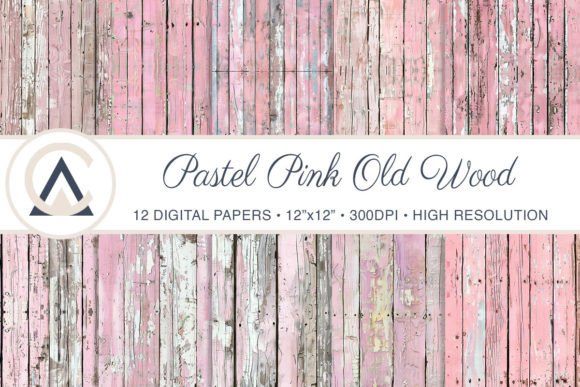
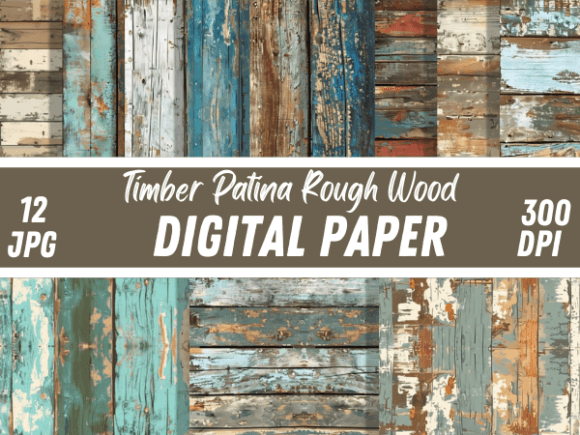
The defining feature of this collection is its ability to evoke a "found object" aesthetic. The textures range from distressed, painted planks to raw, grained timber, all rendered at a high resolution of 3600 x 3600 pixels at 300 DPI. This level of detail is critical. When you zoom in on a greeting card or a sublimation mug, you will see the individual fibers and the subtle cracks of the wood, rather than a pixelated blur.
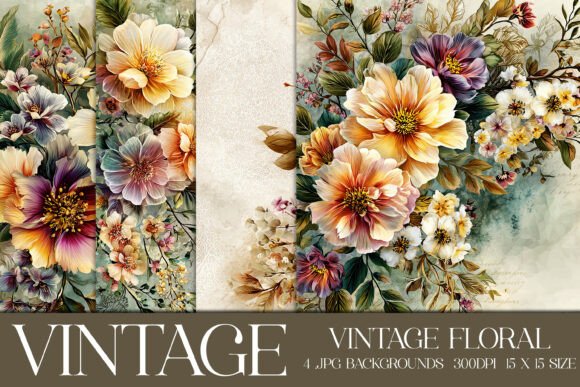
The color palette leans heavily into earth tones, but the inclusion of "Whimsical Nature Pastel" elements within the bundle adds versatility. You aren't just getting brown wood; you are getting a range of surfaces that can feel rustic, industrial, or soft and vintage depending on the specific paper selected. This visual personality is perfect for projects that need to feel grounded and authentic. It avoids the sterile look of modern vector graphics, offering instead a surface that feels lived-in and warm.
Strategic Applications for Brand Identity and Design
In the world of brand identity and packaging design, texture is a silent communicator. Using a Timber Patina Rough Wood Background in your marketing materials can instantly signal values like sustainability, craftsmanship, and durability. For a small business selling handmade goods, a farmers market vendor, or a craft brewery, these textures serve as a foundational design asset.
Consider the following practical applications for this digital bundle:
- Packaging and Labels: Use the rough wood texture as a background for product labels on jars, bottles, or boxes. It creates a "farm-to-table" feel that suggests the product inside is natural and carefully made.
- Social Media Graphics: In a feed dominated by sleek, flat design, a textured wood background stops the scroll. It provides a rich backdrop for quotes, announcements, or product photos, adding depth without cluttering the message.
- Editorial and Web Design: While full-page wood backgrounds on websites can be heavy, using these textures for headers, footers, or sidebar elements can break up the monotony of flat color blocks. It adds a layer of modern typography interest when paired with clean sans serif fonts.
- Printables and Stationery: The bundle is explicitly designed for high-quality printing. Whether you are creating wedding invitations, anniversary cards, or planners, the 300 DPI resolution ensures that the printed paper retains the crispness of the digital file.
Designing with Texture: Readability and Hierarchy
Working with textured backgrounds requires a different approach than working with solid colors. The primary challenge is maintaining readability. Because the Timber Patina backgrounds have high visual detail—grain, knots, and color variation—you cannot simply place dark text over a dark wood grain and expect it to be legible.
To maintain a strong visual hierarchy, you need to create contrast. One effective technique is to use the wood texture as an accent rather than a full bleed. Alternatively, use a semi-transparent overlay or a "knockout" box—perhaps a cream or white rectangle placed over the wood—where your typography sits. This allows the texture to frame the content without competing with it.
When pairing typefaces, the rough nature of the wood calls for balance. A script font or a handwritten font works beautifully for headers, reinforcing the personal, handmade feel of the timber. However, for body text, stick to a clean, legible sans serif font. This contrast between the ornate display type and the functional body text helps guide the viewer's eye and ensures the message is communicated clearly.
Evaluating the Bundle: Technical Specs and Usability
From a technical standpoint, this collection is built for versatility. The files are delivered as JPGs within a zip file, making them easy to import into virtually any design software, from Adobe Photoshop and Illustrator to Canva and Procreate.
It is important to note the distinction mentioned in the product details: "Some Seamless Backgrounds Some are not."
- Seamless Tiles: These are images where the edges match perfectly. If you set a seamless texture to repeat in a web design background or a large-scale fabric print, the seam where one tile meets the next will be invisible. This is essential for sublimation and fabric printing.
- Non-Seamless (Vignette) Textures: These are likely designed to be used as standalone sheets, such as for a single greeting card or a scrapbook page. They may have a distinct center and edges that don't tile perfectly.
For those using cut machines (like Cricut or Silhouette), these high-contrast textures make excellent backgrounds for vinyl decals or iron-on transfers. The "weathered" look helps hide minor imperfections in application, which is a practical bonus for DIY crafters.
Final Thoughts on Creative Potential
The Timber Patina Rough Wood Backgrounds bundle is more than just a set of images; it is a toolkit for adding warmth and nostalgia to digital and physical products. Whether you are designing a rustic wedding invitation, creating a backdrop for a product photoshoot, or developing a brand identity for a nature-focused startup, these textures provide a reliable, high-quality foundation.
Remember to test your color choices against the wood tones—pastels and muted earth tones usually harmonize best. By treating these textures as a structural element of your design rather than just a decoration, you can create work that feels professional, tactile, and genuinely engaging.